The Potential of Innovative Concrete
One Material — Multiple Solutions
Doctor Chekhov works with a group of engineers and inventors developing new materials and technologies for their application.
One area of our collaboration is high-strength concrete for construction, architecture, infrastructure, industry and product design. Its high strength makes it possible to create thin, visually lightweight elements, while precision moulding and colouring allow the material to serve as both a structural and decorative solution.
From load-bearing structures and bridge components to façades, furniture and urban amenities.
WHERE CONCRETE CAN BE USED
Structural Construction
The material is suitable for manufacturing critical building elements and structures requiring high strength, precision and durability.
- structural concrete;
- load-bearing elements for buildings and structures;
- silos;
- hoppers;
- tanks;
- straight-flight staircases;
- spiral staircases;
- fire-escape staircases;
- entrance structures;
- floor and wall slabs;
- coloured insulated sandwich panels;
- grating panels;
- anti-slip slabs.
The material’s high strength characteristics make it possible to reduce the thickness of elements while maintaining the required performance. This helps reduce the weight of structures and increase the usable space within buildings.
Architecture and Façades
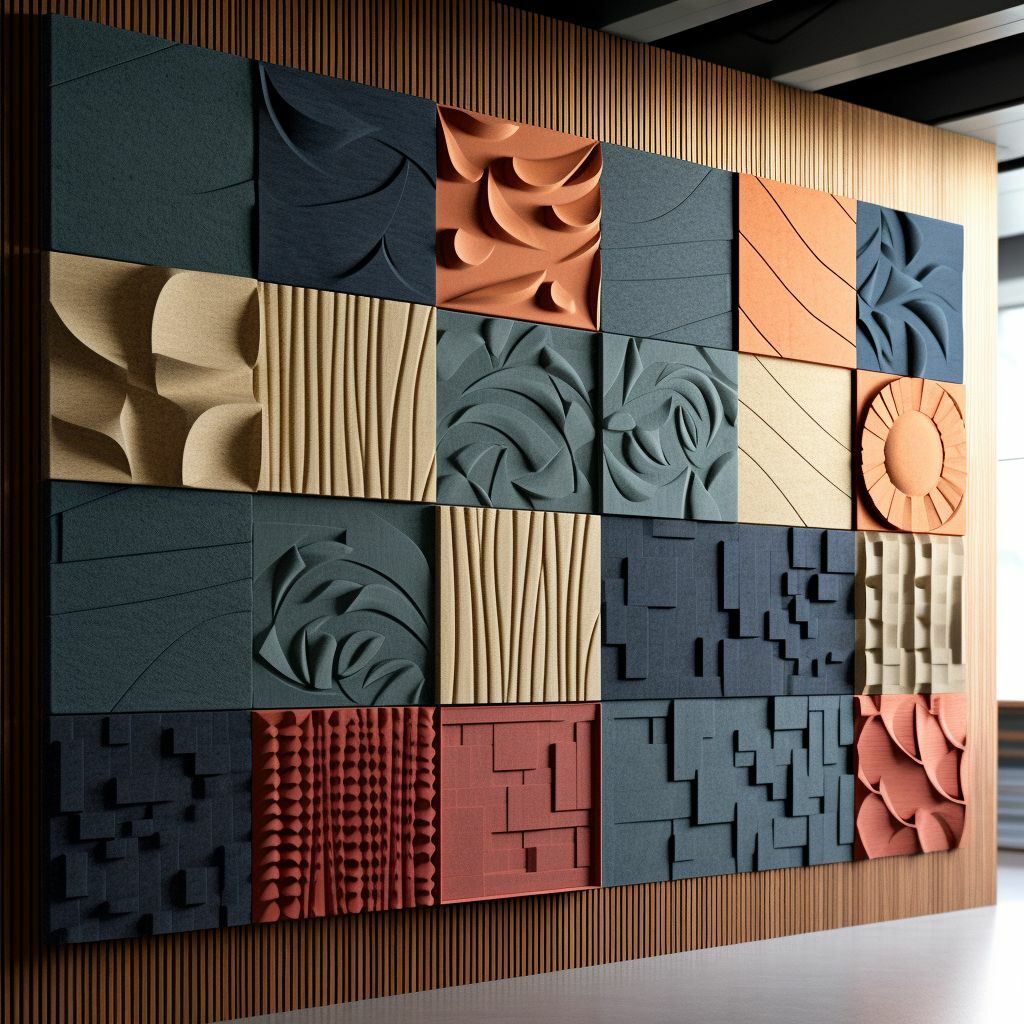
Concrete can be coloured with pigments or silicate compounds, allowing it to perform both a structural and decorative function.
- architectural concrete;
- façade cladding;
- plinth cladding;
- steps and staircases;
- entrance structures;
- window sills;
- window and door reveals;
- drip edges;
- façade panels with a finished surface;
- stone ornaments and decorative “carpets”;
- mosaics;
- coloured architectural elements.
Precision casting makes it possible to create expressive geometry and a high-quality surface, in some cases reducing or eliminating the need for additional grinding and polishing.
An Alternative to Stone, Ceramics and Porcelain Stoneware
The material can be used to manufacture products traditionally made from ceramics, natural stone or porcelain stoneware.
- façade and interior slabs;
- floor tiles;
- bathroom and washroom cladding;
- concrete tiles;
- swimming-pool cladding;
- mosaic elements;
- decorative panels;
- stone ornaments;
- steps;
- anti-slip slabs;
- paving blocks;
- tiled and slate roofing.
Through colouring and precision moulding, concrete can imitate a variety of textures and be used in projects where concrete was previously rarely considered as a finishing material.
Roofing Solutions
The material can be used to manufacture durable roofing-system components.
- tiled roofing;
- slate-textured elements;
- thin-walled roofing products;
- coloured roofing elements;
- ready-made roofing modules for factory-built housing.
Landscaping and Small Architectural Forms
High strength, wear resistance and the ability to colour the material make it suitable for urban and private environments.
- paving blocks;
- planters;
- benches;
- side and end elements for public benches;
- balusters;
- fences and barriers;
- decorative grilles;
- memorials;
- sculptures;
- street furniture;
- tree grilles;
- blanks for CNC machining;
- decorative elements of complex shapes.
An Alternative to Decorative and Engineering Cast Iron
In certain applications, the material may replace traditional cast-metal products.
Decorative Products
- fence elements;
- decorative grilles;
- side and end elements for public benches;
- street-furniture components;
- architectural decoration.
Engineering Products
- high-load-class drainage grates;
- tree grilles;
- industrial bases;
- machine beds, including beds for carousel-type machines;
- grating panels;
- anti-slip slabs.
The suitability of the material for each individual project must be determined through engineering calculations, taking into account the operating conditions and the required load class.
Furniture and Interiors
Concrete opens up new possibilities for residential, office, public and industrial furniture.
- tables;
- countertops;
- table bases and machine beds;
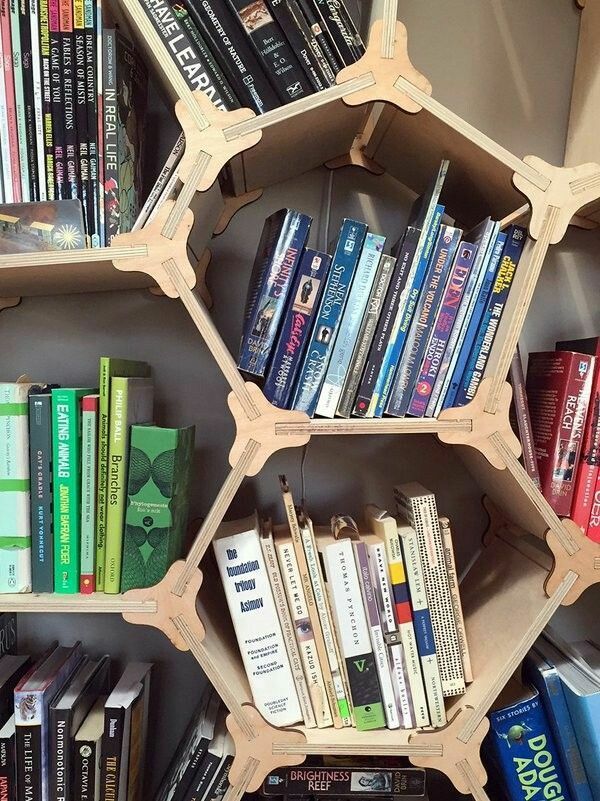
- residential and office shelving;
- industrial shelving;
- legs and supports for cabinet furniture;
- benches;
- interior panels;
- decorative elements;
- built-in furniture components.
Thin-walled moulding helps make concrete products appear visually lighter while preserving their strength and expressive appearance.
Decorative and Translucent Structures
The technology is suitable for products with complex geometry and additional functional properties.
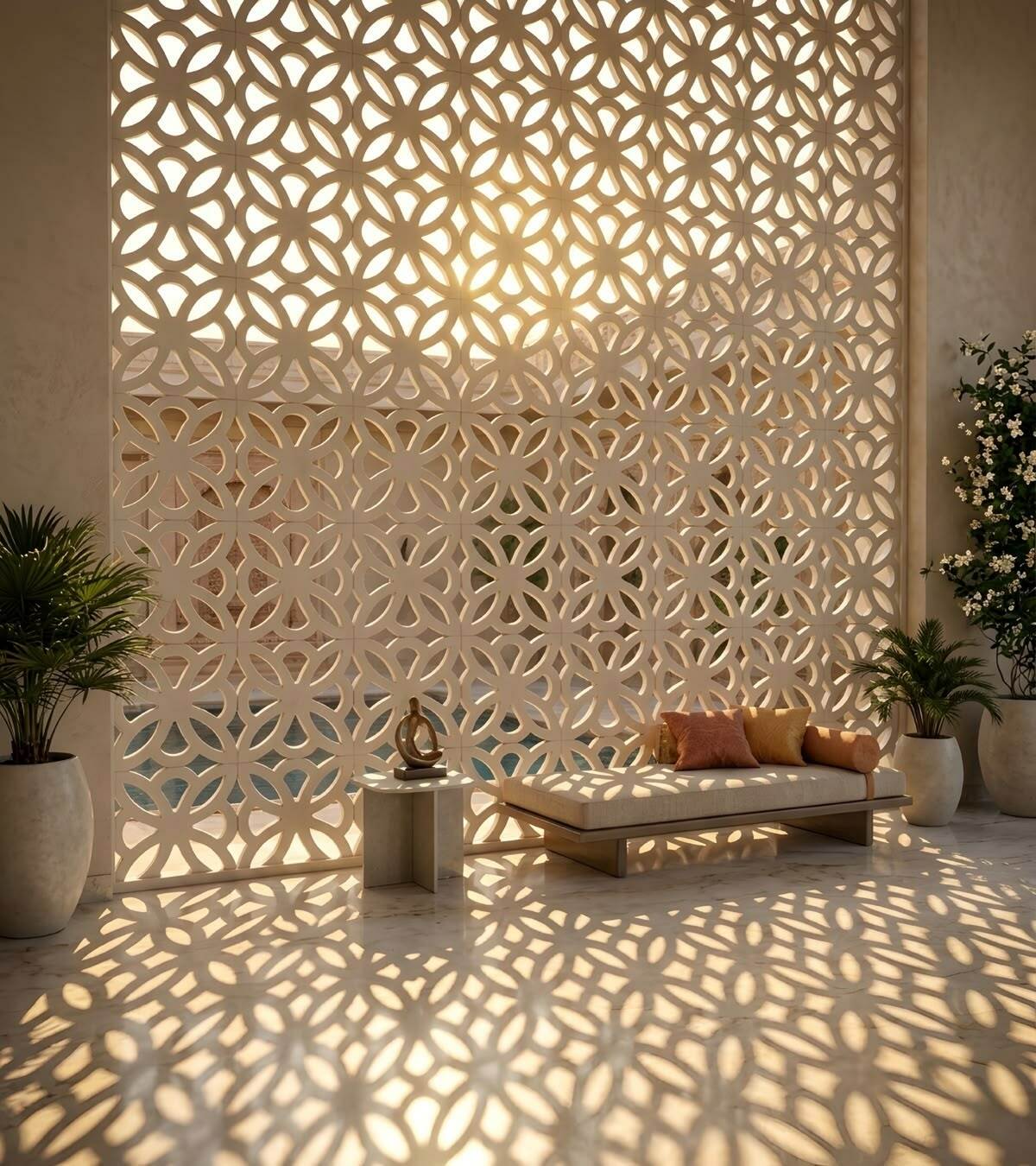
- perforated walls;
- perforated ceilings;
- translucent panels;
- concrete incorporating optical fibre;
- decorative partitions;
- interior panels;
- mosaic and ornamental surfaces;
- complex-shaped elements.
Floors and Staircases
The material’s strength and wear resistance make it possible to create thin floor coverings and ready-made stair components.
- self-levelling floors;
- coloured self-levelling floors;
- self-levelling screeds;
- thin-layer coatings;
- topping systems;
- anti-slip slabs;
- ready-made steps;
- coloured flights of stairs;
- spiral staircases;
- fire-escape staircases.
As an example of the technology’s potential, a self-levelling screed for residential applications may be approximately 10 mm thick, or approximately 6 mm when used as a topping. For comparison, a conventional solution may involve a layer of standard concrete 80–100 mm thick. The actual thickness must be determined through project calculations, taking into account the condition of the substrate and the operating conditions.
Infrastructure Construction
The material has significant potential for facilities where strength, resistance to environmental exposure and a long service life are particularly important.
Road Infrastructure
- concrete roads;
- road slabs;
- anti-slip surfaces;
- paving blocks;
- drainage components;
- products exposed to intensive abrasion and cyclic loads.
Bridges
- bridge-structure components;
- modular solutions for small bridges;
- thin-walled high-strength elements;
- factory-made bridge modules;
- protective and cladding elements.
Port and Hydraulic Structures
- port facilities;
- quay components;
- tanks;
- water-retaining structures;
- hydraulic structures;
- elements operating under continuous exposure to water, salts and aggressive environments.
Protective Structures
The material may be considered for protective structures and facilities subject to increased requirements for resistance to kinetic impact. It may be possible to design slabs capable of withstanding impact loads and blast-wave effects, with additional structural reinforcement.
All such solutions must undergo engineering assessment, testing and certification in accordance with the regulations of the country where the project is implemented.
Modular Factory-Built Housing
A Home Where Finishing Is Created Together with the Structure
Concrete can be used to manufacture rapidly assembled portable low-rise houses and factory-built modular buildings.
The casting process makes it possible to manufacture elements with a finished surface, including:
- exterior façade cladding;
- interior walls;
- roofing elements;
- floor slabs;
- bathroom tiles and cladding;
- window sills;
- reveals;
- drip edges;
- stair flights;
- entrance structures;
- decorative elements.
Ready-Made Sanitary Modules
It is possible to organise the production of prefabricated bathroom and sanitary modules in which the walls, floor and concrete cladding are formed under factory conditions. The construction site receives a module with a high degree of completion.
This approach can help to:
- reduce the number of operations carried out on site;
- shorten construction time;
- standardise quality;
- reduce dependence on wet finishing processes;
- accelerate the commissioning of the building.
Key Characteristics
Resistance to Demanding Operating Conditions
The material’s stated characteristics include:
- abrasion resistance comparable to that of widely used granite types;
- acid resistance of up to 98%;
- frost resistance of up to 600 cycles in saline environments;
- water resistance of up to 20 bar;
- near-zero shrinkage;
- high strength;
- rapid strength development at room temperature;
- high casting precision;
- the ability to achieve through-colouring with pigments;
- the ability to apply a final finish with silicate compounds.
Specific performance values depend on the formulation, manufacturing technology, product geometry and operating conditions. For the commercial version of the page, it is recommended to place links to test reports, certificates and technical data sheets alongside these claims.
What Do These Properties Mean in Practice?
Thinner and Stronger Products
The material’s high strength characteristics make it possible to reduce the thickness of products and structural elements compared with solutions made from standard concrete.
This may provide:
- reduced material consumption;
- lower product weight;
- easier transportation and installation;
- lower loads on load-bearing structures;
- increased usable floor area and internal building volume;
- expanded possibilities for architects and structural engineers.
More Products from One Cubic Metre
According to the company’s preliminary estimates, one cubic metre of concrete can produce five to ten times more square metres of thin-walled products than standard concrete.
The economic effect is achieved not through a lower price per cubic metre, but through reduced product thickness, lower material consumption and the combination of several functions in a single element.
A Faster Production Cycle
Rapid strength development at room temperature makes it possible to:
- demould products more quickly;
- increase mould utilisation;
- raise productivity within existing production areas;
- reduce the need for energy-intensive heat-and-moisture curing;
- lower operating costs;
- accelerate order assembly and dispatch.
Consistent Factory Quality
Controlled moulding and strength development help produce serial products with consistent characteristics.
This is particularly important for:
- modular construction;
- serial façade panels;
- road and bridge components;
- sanitary modules;
- furniture;
- landscaping elements;
- architectural decoration.
Less Post-Processing
High casting precision makes it possible to create the required geometry and a high-quality surface directly in the mould.
Depending on the project requirements, this may reduce:
- grinding;
- polishing;
- mechanical finishing;
- cladding work;
- the number of manual operations;
- manufacturing time;
- production waste.
Durability and Lower Maintenance Costs
Water resistance, low water absorption, frost resistance, wear resistance, acid resistance and minimal shrinkage increase the service life of structural and decorative products.
For the customer, this may mean potentially lower costs for:
- scheduled repairs;
- surface restoration;
- replacement of damaged elements;
- façade maintenance;
- operation in aggressive environments;
- maintenance of roads and urban infrastructure.
Application Economics
Higher Cost per Cubic Metre — Greater Value in the Finished Solution
The material may cost more than standard concrete. However, comparing materials solely by price per cubic metre is not appropriate.
Economic efficiency should be assessed based on the cost of the finished product or entire structure, taking into account:
- element thickness;
- material consumption;
- weight;
- transportation costs;
- production speed;
- mould utilisation;
- processing costs;
- finishing costs;
- installation speed;
- service life;
- repair and maintenance costs.
When replacing porcelain stoneware, ceramics, natural stone, decorative cast iron or engineering cast iron, the potential economic benefits may be even greater.
Key Benefits for Customers
Cost Reduction
Lower material consumption, fewer operations, less post-processing and lower operating costs.
Faster Delivery
Rapid strength development, high mould utilisation, factory-ready elements and less work required on the construction site.
Simplification
A single material can combine structural, protective and decorative functions.
More Usable Space
Thin structural elements can help increase the usable floor area and internal volume of a building.
Long Service Life
Resistance to water, frost, salts, abrasion and aggressive environments reduces the need for repairs.
New Markets
Colouring, precision moulding and decorative finishing make it possible to use concrete in segments traditionally served by stone, ceramics, porcelain stoneware, cast iron and composite materials.
Solutions for Different Industries
For developers and construction companies — load-bearing elements, façades, staircases, floors, modular buildings and sanitary modules.
For architects and designers — coloured surfaces, complex geometry, mosaics, optical fibre, thin-walled panels and architectural decoration.
For industrial companies — bases, machine beds, grating panels, shelving and products operating in aggressive environments.
For urban infrastructure — paving blocks, benches, grilles, fences, tree surrounds and small architectural forms.
For transport infrastructure — roads, bridge components, modular small bridges and anti-slip surfaces.
For ports and hydraulic facilities — components with high water resistance, frost resistance and resistance to saline environments.
For furniture manufacturers — countertops, supports, bases, shelving and serial interior components.
Turn Material Properties into an Advantage for Your Project
The Doctor Chekhov team can help assess the suitability of the technology, select the appropriate formulation and manufacturing method, determine the optimal product thickness and calculate the economics of the solution.
All characteristics and areas of application require confirmation through test reports, project calculations and certification in accordance with the regulations of the country where the project is implemented.
Your Cart Is Empty
0
pcs.
/
$0
Proceed to Checkout
Clear Cart